In the following year Gil d’Orey from Mebo Games contacted me about another of my prototypes and since they’ve published several games with Portuguese themes I brought up Cortiça. He tried it out, liked what he saw and for the next months we iterated on the game, both in terms of gameplay but also production.
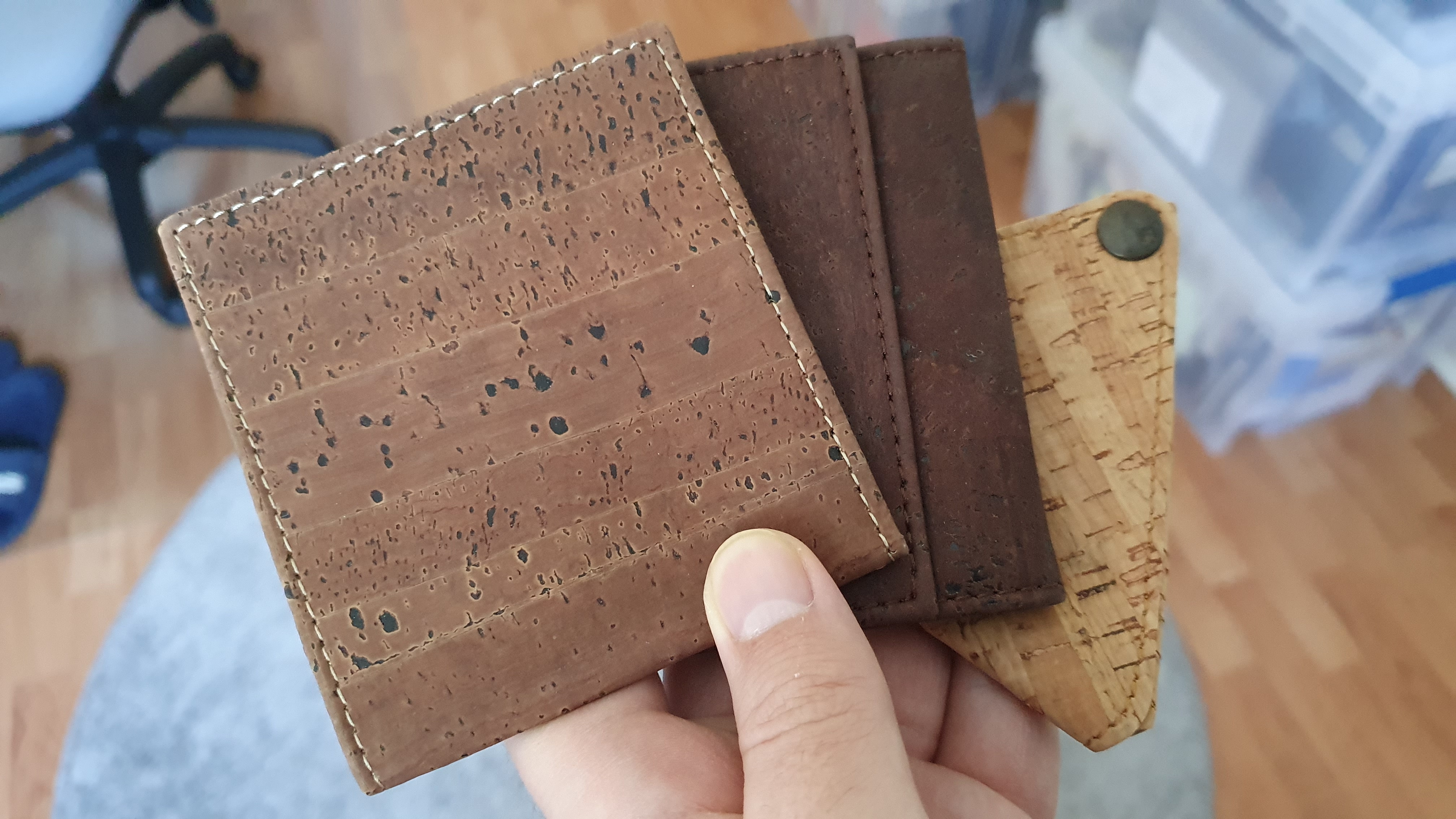
Gil wanted to make the game out of cork, which sounded wonderfully fitting! They investigated several options. The first was to make the cards out of cork, but the production costs would skyrocket. They looked into only making the resource cards out of cork, bringing the number down from 18 cards to 6. Then they took a different approach of having a cork box instead, then a cardboard box with a cork sleeve to keep the lid shut.
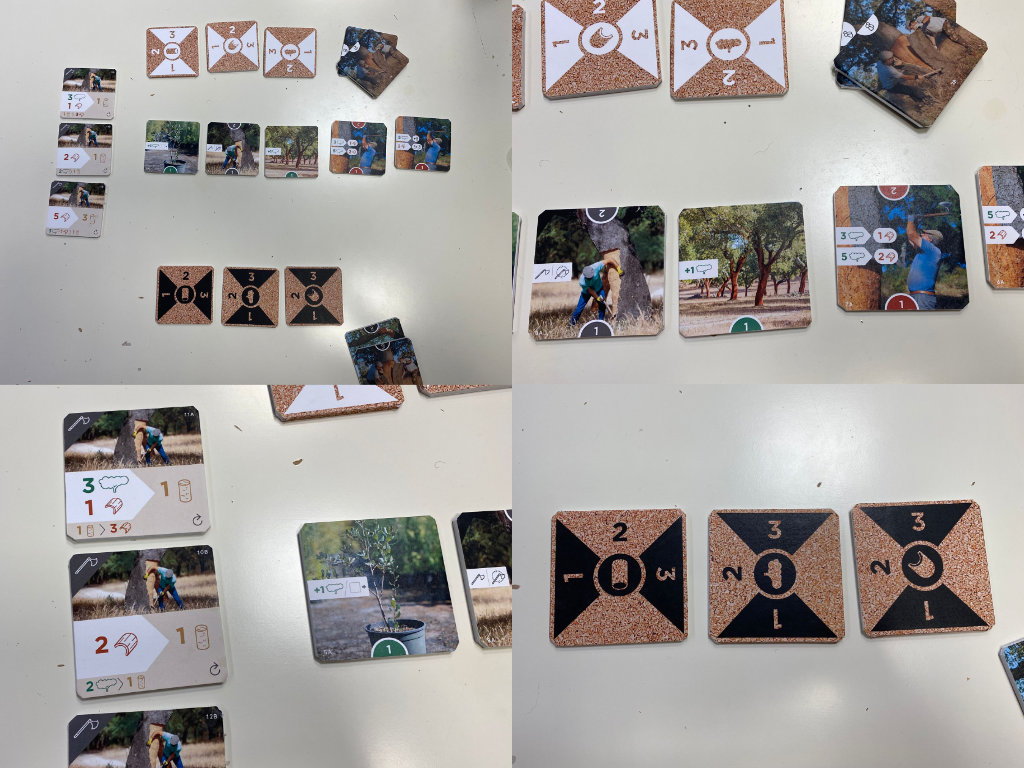
In the end there was no option that would be cost-effective to produce, which meant they’d be forced to charge a price that would seem too high for a tiny game of only 18 cards. In that price bracket it would also be competing with much bigger games that are well established. They politely declined and returned the rights to me.
A few months later Jason Tagmire from Button Shy Games got in touch and showed interest in publishing Cortiça, which sounded great since it had been designed specifically for them. He handed the game to his playtesting team, who regularly sent me helpful feedback and suggestions.
Some of the most notable changes:
- The Action cards are no longer shuffled at the end of the round, with the first one getting turned over. Instead, the player whose worker is at the bottom of the pile gets to pick which action leaves the line on the next round. This gives the players more control, works as a catch-up mechanism and makes the game more strategic, giving players a better idea of what action cards might be available next and in what order, and letting players choose to have a sub-optimal round in order to cue up the next one in their favor. It also reduces the hassle of having to shuffle and rebuild the action line every round.
- The Action cards are now horizontal instead of vertical. This gives the art more room to breathe and form a landscape on the table. It greatly simplified things by placing all of the action spaces on the bottom of the cards, which was a lot easier to parse.
- The Plan cards now show what’s on the other side as well, so players don’t have to memorize them or flip them to check, revealing their plans.
- The “Get Help” card is no longer a permanent upgrade. In tthe earlier version the players who did this early had such a big advantage that it was hard to catch up. It also meant that action card was pretty much useless once the players upgraded both of their workers. Now the action is cheaper but it doesn’t last as long. It’s a bet on your next turn, so use it well!
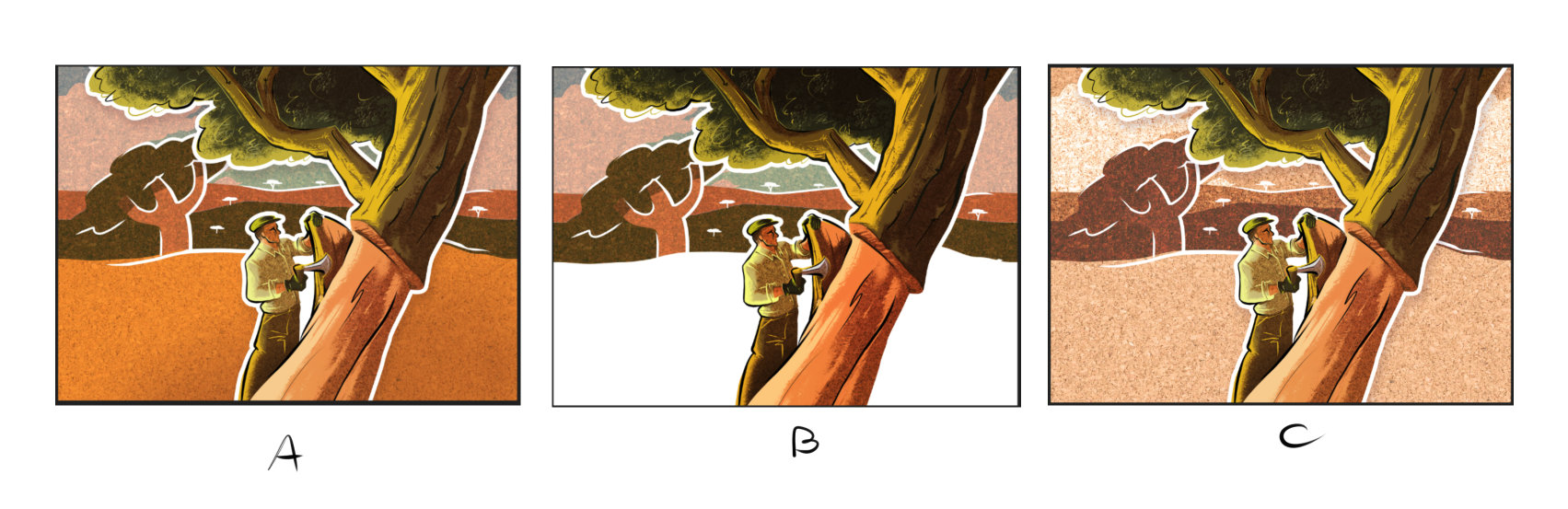
When it came time to think about the art, I mentioned I’d love it if the artist was Portuguese since they’d be more familiar with the topic, aesthetics and culture. I suggested Sara Mena, a talented artist who’s been an integral part of Cortiça’s development from the start, helping me with brainstorms, playtesting and overall support. She’s also my partner and we’ve long wanted to collaborate on a game. I was delighted that both Sara and Jason were up for it.
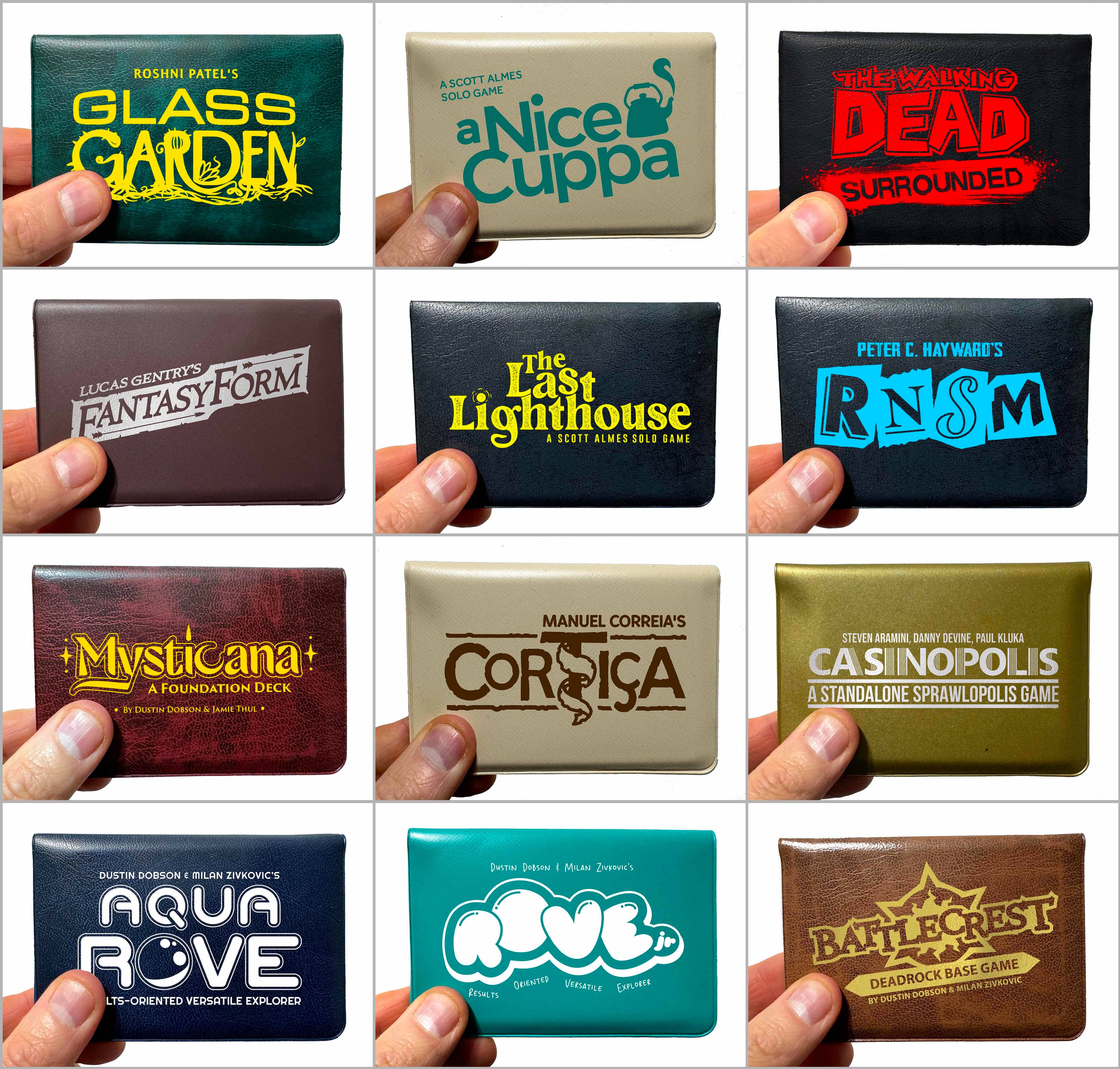
Once Button Shy posted the wallet design, everything was suddenly more real. It’s finally announced and people are wondering what it is. It’s happening! One step closer to the launch.
This design diary continues in Part 6 – Release.
If you don’t want to miss a post, you can subscribe to get them via e-mail:







 Games by Manuel Correia